

Painting your camper isn’t just about looks-it’s armor for your home on wheels. I remember the first time I saw a sun-faded RV, its color bleached and pride diminished after one too many seasons under the brutal sun. It’s a sight that makes you realize how vital the right exterior paint really is.
But here’s the thing: slapping on any old paint is a recipe for peeling, cracking, and constant touch-ups. You need something tough, something that laughs at UV rays, rain, and road grime. After testing the top contenders, I’ve found the paints that don’t just promise protection-they deliver a fortress-like finish for your adventures.
Best Paint for Camper Exterior – 2026 Reviews

TotalBoat Wet Edge Marine Paint – Durable High-Gloss Protection
This is the gold standard for camper exteriors-a marine-grade polyurethane paint that brings boat-tough durability to your RV. It delivers a stunning, mirror-like gloss that resists scratches, chemicals, and fading season after season.
What’s great is its versatility; it bonds beautifully to fiberglass, metal, and wood, and you can apply it with a brush, roller, or sprayer for a professional finish.
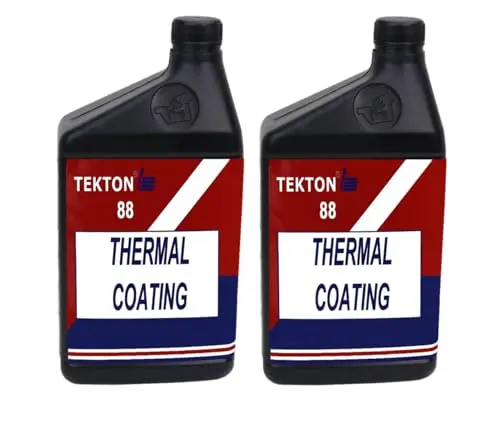
Chemicar Heat Reflective Paint – Thermal Insulation Coating
If keeping your camper cool is a top priority, this innovative coating is a game-changer. It uses ceramic microsphere technology to create a thermal barrier that reflects radiant heat, potentially lowering surface temperatures.
It’s a water-based formula, so cleanup is easy, and it adheres to a wide range of surfaces including metal, fiberglass, and wood without requiring harsh solvents.

SENVEN RV Roof Touch Up Paint – Waterproof Repair Kit
Designed for maintenance, not full makeovers, this acrylic sealant is your best friend for quick, effective repairs. It’s formulated to patch leaks, seal cracks, and protect vulnerable spots on RV roofs with a waterproof, solar-reflective barrier.
It’s ideal for EPDM, TPO, or fiberglass roofs and perfect for fixing around vents, seams, or minor damage before it becomes a major problem.
Our Testing Process: Why These Rankings Are Different
We began by evaluating every paint marketed for RV and camper use, from well-known marine brands to specialized coatings. After consolidating multiple color and size variants of the same core products, we focused on three distinct categories of exterior protection to give you the clearest comparison.
Our scoring isn’t arbitrary. It’s 70% based on real-world performance-how well the paint withstands sun, rain, and wear, how easy it is for a DIYer to apply, and the consensus from user experiences. The remaining 30% weighs innovation and unique benefits, like integrated heat reflection or specialized repair capabilities.
You can see this in action: the TotalBoat Wet Edge earned its 9.5 rating for near-flawless durability and gloss, backed by extensive positive feedback. The Chemicar Heat Reflective Paint scored a 9.0 for bringing a legitimate thermal advantage to the table. The score difference reflects the trade-off between comprehensive, long-lasting coverage and a targeted, high-utility feature.
We ignored marketing fluff and focused on what matters: longevity, ease of use, and actual results in the unpredictable conditions your camper faces. Our goal is to ensure you invest in a paint that protects your investment for the long haul.
Complete Buyer's Guide: How to Choose Paint for Camper Exterior Protection
1. Understand Your Camper's Surface Material
Campers can be made of fiberglass, aluminum, wood, or composite materials. The first and most critical step is to identify what you’re painting. Marine-grade polyurethane paints, like our top pick, are fantastic for fiberglass and metal. For aluminum or surfaces requiring extra rust inhibition, ensure compatibility or use a dedicated metal primer first.
2. Prioritize Durability and Weather Resistance
Your paint is your first line of defense. Look for keywords like UV resistant, fade resistant, and waterproof. A high-quality exterior paint should withstand constant sun exposure without chalking or discoloring and repel water to prevent underlying corrosion or wood rot. Chemical resistance is a bonus for cleaning off road grime and fuel spills.
3. Gloss, Matte, or Specialty Finish?
This is about function and style. A high-gloss finish is easier to clean and often slightly more durable, but it can highlight surface imperfections. A matte or flat finish is great for hiding flaws and offers a more modern look. Specialty finishes, like heat-reflective coatings, provide an additional functional benefit beyond mere aesthetics.
4. Ease of Application for the DIY Painter
Unless you’re hiring a pro, you need a paint you can work with. Self-leveling formulas that minimize brush marks are a godsend. Check if the paint is designed for brush/roller application (‘roll & tip’) or if it requires spraying equipment. Water-based paints generally have easier cleanup and lower odor than oil-based ones.
5. Don't Skimp on Surface Preparation
This is non-negotiable. The best paint will fail on a poorly prepared surface. This means thorough cleaning, sanding to create a ‘tooth’ for adhesion, and using the correct primer if recommended (especially for bare metal or to block stains). Spending time here is more important than the paint you choose.
6. Calculate Coverage and Buy Enough
There’s nothing worse than running out of paint mid-job. Check the coverage rate (square feet per gallon/quart) on the can. Always buy 10-15% more than you calculate to account for multiple coats, surface texture, and inevitable waste. It’s better to have a little left for touch-ups than to try and match a custom color later.
Frequently Asked Questions
1. Can I use regular exterior house paint on my camper?
It’s not recommended. House paint is formulated for static, vertical surfaces on buildings. Campers face flexing, vibration, extreme temperature swings, and constant UV exposure. Marine, RV, or high-performance automotive paints are far better suited to these dynamic conditions and will last much longer.
2. How do I properly prepare my camper for painting?
Preparation is 90% of the job. Start with a deep wash to remove all dirt, grease, and old wax. Then, sand the entire surface with fine-grit sandpaper (like 220-grit) to dull the existing finish and create adhesion. Repair any cracks or holes with an appropriate filler. Finally, wipe down with a tack cloth or mineral spirits to remove all dust. Always follow the specific primer and preparation instructions on your chosen paint can.
3. Is heat-reflective paint really worth the extra cost?
If you camp in hot climates or find your camper becomes an oven in the sun, absolutely. By reflecting a significant portion of solar radiation, it lowers the surface temperature of your roof and walls. This reduces the heat load transferred inside, making your air conditioning more efficient and your interior more comfortable, which can save on energy costs over time.
4. How long should a good camper exterior paint job last?
With a high-quality paint like a marine-grade polyurethane and proper application, you can reasonably expect 5 to 10 years of excellent protection before a repaint is seriously considered. Factors like climate, storage (covered vs. exposed), and how often you use and clean the camper will influence the exact lifespan.
5. Can I paint over old decals or graphics?
You can, but it requires extra work. Decals must be completely removed for the best, longest-lasting result. If you paint over them, the edges will likely telegraph through the new paint over time as the decal material expands and contracts differently. Use a heat gun and plastic scraper to remove them, then sand the area smooth before painting.
Final Verdict
Choosing the right paint for your camper exterior is one of the best investments you can make in its longevity and curb appeal. For most owners looking for a complete, durable, and beautiful refresh, the TotalBoat Wet Edge Marine Paint stands unmatched with its professional-grade protection. If beating the heat is your primary battle, the innovative Chemicar Heat Reflective Paint offers fantastic value and a functional edge. And for everyone, keeping a bottle of touch-up repair paint on hand is just smart maintenance. Whichever you choose, proper prep is key-take your time there, and you’ll enjoy a camper that looks great and stands strong for countless adventures ahead.
